
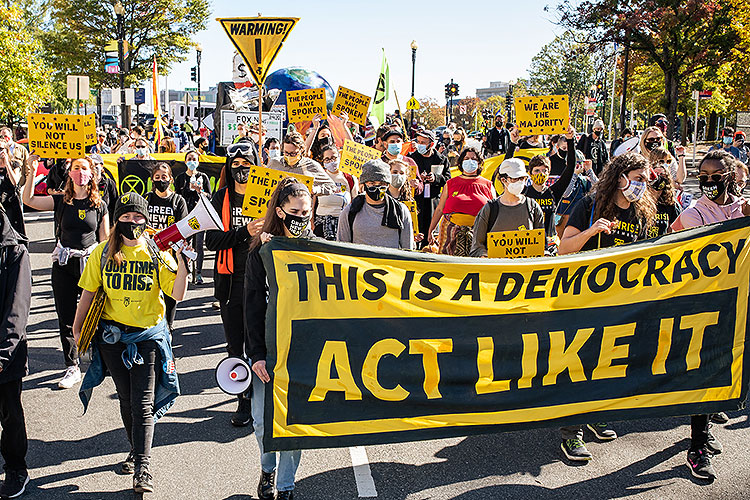
Across democracies and political systems alike, a quiet but persistent sentiment has taken hold. Many citizens feel unheard. They vote, pay taxes, follow the news, and engage in civic rituals, yet still feel distant from the decisions that shape their lives. This sense of being ignored is not limited to any one ideology, generation, or country. It has become a defining feature of modern governance, fueling frustration, apathy, polarization, and in some cases, radicalization.
The feeling of being unheard is not simply emotional. It is structural, cultural, and systemic. It reflects a growing disconnect between how governance operates and how citizens experience power in their everyday lives.
Governance Has Grown More Complex Than Participation
Modern governments manage economies, technologies, and populations at a scale unprecedented in human history. Policy decisions involve global markets, regulatory frameworks, scientific expertise, and international agreements. While this complexity is often necessary, it has created distance.
As governance becomes more technical, citizens struggle to see where their voices fit. Decisions feel abstract and inaccessible, shaped by experts and institutions rather than public input. When policies are explained through jargon or implemented without clear communication, people perceive governance as something done to them rather than with them.
This complexity creates an imbalance. Citizens are asked to trust systems they do not fully understand, while having limited ability to meaningfully influence outcomes. Over time, trust erodes, and disengagement grows.
Representation Feels Symbolic Rather Than Substantive
Democratic systems promise representation, but many citizens experience it as symbolic rather than effective. Voting offers a moment of participation, yet the impact often feels diluted once elections end.
Elected officials must navigate party structures, donor influence, institutional constraints, and political survival. As a result, citizen concerns can become secondary to strategic calculations. When campaign promises collide with governing realities, compromise often looks like abandonment from the outside.
For citizens, representation feels distant when officials appear more responsive to political institutions than to the people they serve. This perception deepens when legislation seems disconnected from public priorities or everyday struggles.
Bureaucracy Creates Emotional Distance
Bureaucracy is designed to ensure consistency, fairness, and efficiency. Yet it also creates emotional distance. Forms, procedures, and automated responses replace human interaction. Individual experiences are processed as cases rather than stories.
When citizens encounter government through paperwork, wait times, and impersonal systems, they feel reduced to data points. Even when outcomes are technically correct, the lack of human acknowledgment leaves people feeling invisible.
This emotional disconnect matters. Feeling heard is not only about outcomes. It is about recognition. When systems fail to acknowledge lived experience, frustration turns into resentment.
Political Communication Prioritizes Messaging Over Listening
Modern political communication is dominated by messaging strategies. Talking points, soundbites, and carefully crafted narratives are designed to persuade, mobilize, or defend positions. Listening, by contrast, is rarely prioritized.
Public engagement often takes the form of speeches rather than dialogue. Town halls become performative. Social media amplifies statements but rarely fosters genuine exchange. Feedback mechanisms exist, but they are often symbolic or filtered through layers of interpretation.
When citizens feel that leaders are always speaking but rarely listening, cynicism grows. Communication without responsiveness feels hollow, reinforcing the belief that public input does not matter.
Economic Pressures Amplify the Sense of Disconnection
Economic insecurity plays a major role in feelings of being unheard. When wages stagnate, costs rise, and opportunities feel out of reach, citizens look to governance for relief or explanation.
When policy responses appear slow, inadequate, or misaligned with lived realities, frustration intensifies. People struggling to afford housing, healthcare, or education feel invisible when debates focus on abstract metrics rather than daily hardship.
Economic pain sharpens perception. It makes political distance feel personal. The gap between policy language and lived experience becomes harder to ignore.
Digital Participation Has Not Replaced Real Influence
Technology promised to democratize participation. Online petitions, social media campaigns, and digital activism offer new ways to express opinions. Yet expression does not always translate into influence.
Digital platforms amplify voices, but they also fragment attention. Signals compete rather than accumulate. Outrage spikes quickly, then fades. Algorithms reward visibility, not deliberation.
For many citizens, digital participation feels like shouting into the void. They speak, post, and share, but rarely see tangible results. The ease of expression can even cheapen participation, creating the illusion of engagement without structural impact.
Institutions Move Slowly While Life Moves Fast
Modern life changes rapidly. Technology, culture, and economic conditions evolve faster than institutions can adapt. This mismatch creates frustration.
When governance moves at a slower pace, citizens perceive it as unresponsive or out of touch. Urgent issues feel stalled in the process. By the time policies are enacted, conditions may have already shifted.
This temporal disconnect undermines confidence. People feel unheard not because no one is speaking on their behalf, but because responses arrive too late to feel meaningful.
Polarization Drowns Out Nuance
Political polarization intensifies the feeling of being unheard. As discourse becomes more tribal, nuance disappears. Individuals who do not fully align with dominant narratives feel erased.
Binary framing reduces complex concerns into simplified positions. Citizens with mixed views or pragmatic priorities struggle to find representation. When politics becomes about defeating the other side rather than solving problems, many voices fall through the cracks.
Polarization rewards volume over substance. Those who shout loudest dominate attention, while quieter or more complex perspectives are overlooked.
Power Feels Concentrated and Unreachable
Many citizens perceive power as concentrated in distant institutions, corporations, or elites. Decision-making feels centralized and opaque.
When influence appears tied to money, access, or insider status, ordinary participation feels ineffective. This perception may not always reflect reality, but perception shapes experience.
Feeling unheard often stems from the belief that outcomes are predetermined, regardless of public input. When people assume their voices will not change anything, disengagement becomes a rational response.
Civic Rituals Without Feedback Create Fatigue
Voting, public comments, surveys, and consultations are meant to involve citizens. However, when these rituals lack visible impact, they breed fatigue.
People are asked for input, but rarely see how it shapes decisions. Feedback disappears into reports or processes without clear acknowledgment. Over time, participation feels performative.
Being heard requires more than being asked. It requires response, explanation, and accountability. Without these elements, engagement becomes empty.
Trust Erodes When Transparency Feels Incomplete
Transparency is often cited as a solution to disengagement. Yet transparency without clarity can overwhelm rather than empower.
Floods of information do not guarantee understanding. When citizens are presented with data but little context, transparency feels superficial. Decisions still appear distant and confusing.
True transparency involves explanation, not just disclosure. It requires translating complexity into meaning. When transparency fails to do this, it does little to restore trust.
Feeling Unheard Is a Warning Signal
The widespread feeling of being unheard is not a failure of civic virtue. It is a warning signal. It indicates a gap between institutional design and human experience.
Citizens are not asking for perfection. They are asking for acknowledgment, responsiveness, and respect. They want to see their concerns reflected in priorities, language, and outcomes.
When governance fails to meet these emotional and practical needs, legitimacy weakens.
Reimagining Listening as a Core Function of Governance
Addressing this crisis requires reframing listening as a core function of governance rather than a symbolic gesture. Listening must be continuous, structured, and meaningful.
This includes creating feedback loops where citizen input visibly influences decisions. It requires slowing down communication to prioritize understanding over persuasion. It demands institutions that value lived experience alongside expertise.
Listening is not passive. It requires effort, humility, and adaptation. But without it, governance loses its grounding.
Restoring Voice Through Relationship, Not Just Process
Ultimately, feeling heard is relational. It emerges from trust built over time through consistency and responsiveness.
Citizens need to feel that governance recognizes them as participants rather than obstacles or data points. This recognition cannot be automated or outsourced entirely to technology.
Restoring voice requires rebuilding the relationship between people and power. It involves presence, accountability, and a willingness to engage beyond crisis moments.
Conclusion
Citizens feel unheard in modern governance, not because they have stopped speaking, but because systems have grown less capable of listening in human terms. Complexity, bureaucracy, polarization, and distance have weakened the feedback loops that once connected people to power.
This disconnection carries consequences. When people feel unheard, they withdraw, rebel, or lose faith altogether. None of these outcomes strengthens governance or democracy.
Listening is not a luxury. It is a requirement for legitimacy. Until modern governance treats it as such, the quiet frustration of feeling unheard will continue to shape political life, not at the margins, but at its core.