
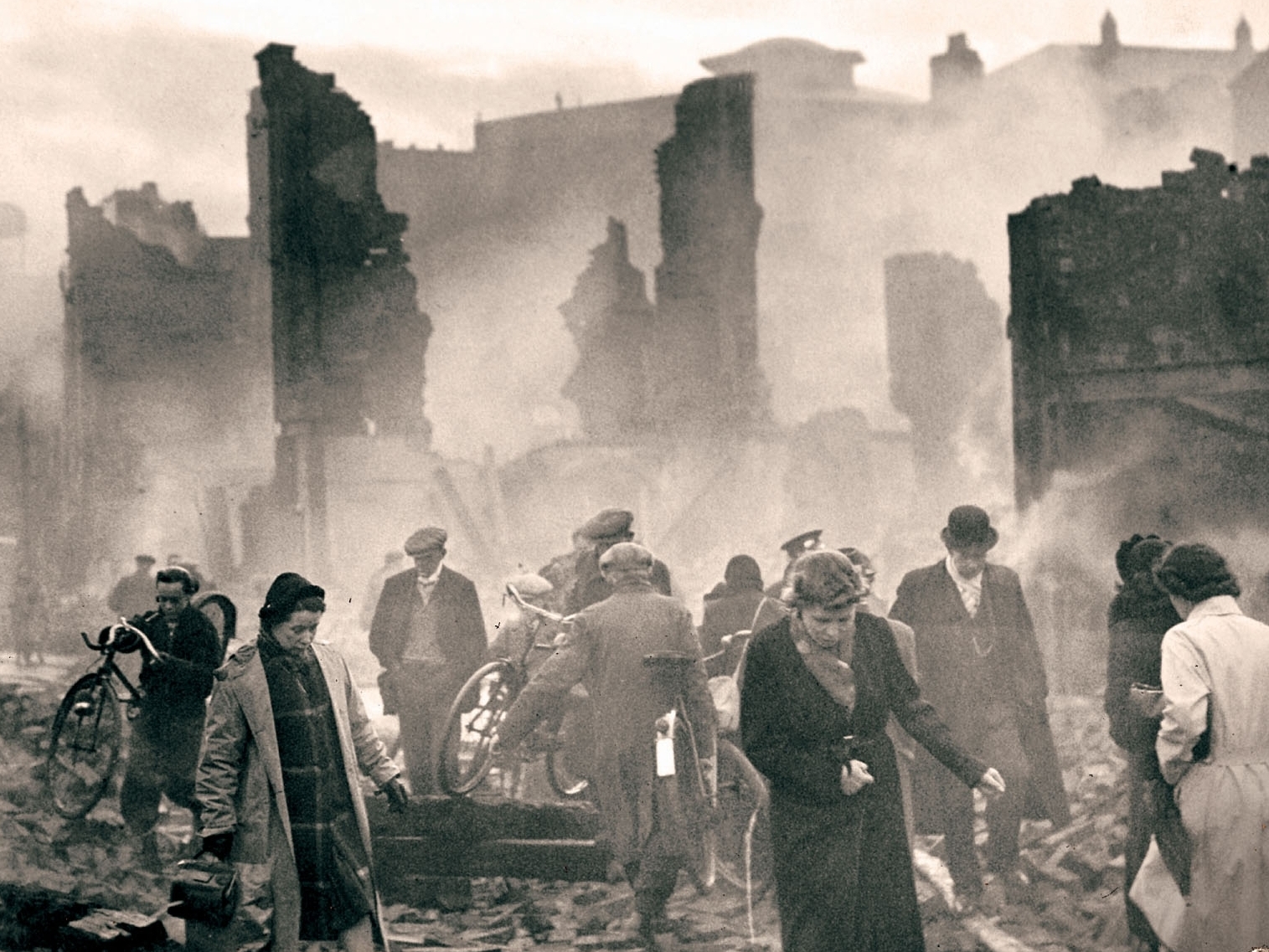
War is not an interruption in human history. It is woven into it. From the earliest tribal conflicts over land and resources to modern wars fought with drones, cyber operations, and weapons capable of ending civilization itself, war has remained one of the most consistent forces shaping human culture. It has built empires and erased them, fueled technological advancement while simultaneously devastating entire populations, and left scars not just on landscapes but on the collective human psyche.
Despite our capacity for empathy, reason, and cooperation, humanity has repeatedly returned to organized violence as a means of resolving disputes. War has become ritualized, justified, romanticized, and normalized across centuries. It appears in our myths, our national identities, our politics, and our entertainment. Yet beneath every banner, anthem, and speech lies a simple and brutal truth: war extracts an enormous human cost that reverberates far beyond the battlefield.
To understand the perils of war in human culture is to confront an uncomfortable reality about ourselves. War is not an anomaly imposed by fate or geography alone. It is a human invention, sustained by fear, power, ideology, and the belief that violence can secure lasting peace.
War as a Constant Companion to Civilization
As soon as human societies organized themselves into settlements, hierarchies, and systems of ownership, war followed. The earliest archaeological records show evidence of organized violence long before written history. Fortified cities, mass graves, and weapons buried alongside the dead tell a story of conflict embedded at the foundation of civilization.
War often emerged alongside the rise of agriculture and surplus. When land could be owned, it could be taken. When resources could be stored, they could be stolen. Power became something to defend and expand. Leaders arose who promised protection in exchange for loyalty, and armies became tools of both survival and domination.
Across ancient empires, war was not merely practical; it was cultural. Victories were celebrated through monuments, art, and myth. Defeat was shameful. Martial strength became synonymous with legitimacy. Even religion frequently aligned itself with warfare, framing battles as divinely sanctioned or morally necessary.
This pattern persisted as civilizations grew more complex. Feudal systems relied on constant conflict between rival lords. Early nation-states forged unity through shared enemies. Colonial expansion was justified through narratives of destiny and superiority. War became a mechanism not only for acquiring territory but for shaping identity.
In this sense, war did not simply accompany civilization. It helped define it.
The Greatest Wars and Their Unimaginable Costs
Some wars stand apart not just for their scale, but for how profoundly they reshaped the world.
The First World War marked a turning point in human conflict. Industrialized killing transformed warfare into an assembly line of death. Millions of soldiers were lost in trenches that advanced only inches at a time. Empires collapsed, borders were redrawn, and an entire generation was psychologically shattered. The war was promised to be the one that ended all wars. Instead, it laid the groundwork for something even worse.
The Second World War expanded destruction to a global scale. Civilians became primary targets. Entire cities were erased from the air. Genocide reached an industrial magnitude, revealing the darkest depths of human cruelty. By the time the war ended, tens of millions were dead, and humanity had crossed a threshold it could never uncross: the creation and use of nuclear weapons.
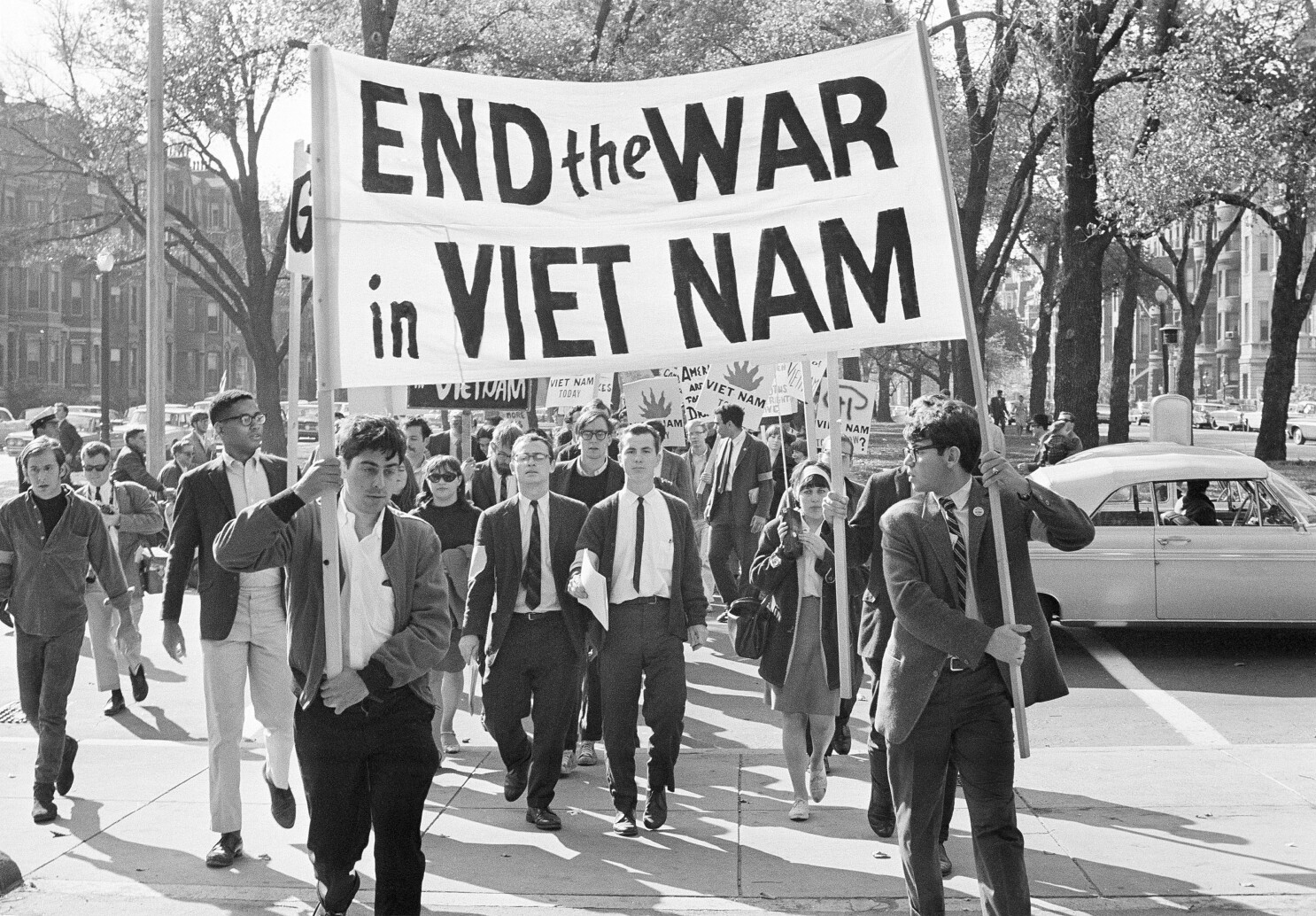
The Cold War that followed did not offer peace, only a different form of terror. Humanity lived under the constant threat of annihilation, with wars playing out indirectly through proxy conflicts. Korea, Vietnam, Afghanistan, and countless other battlegrounds became testing grounds for ideology and power, often at the expense of local populations who bore the brunt of global rivalries.
Even in the post-Cold War era, war did not fade. It fragmented. Conflicts became asymmetric, prolonged, and increasingly blurred between combatant and civilian. Civil wars, insurgencies, and endless occupations replaced clear beginnings and endings. For many regions of the world, war became a permanent condition rather than a temporary crisis.
How War Shapes Culture and the Human Mind
The effects of war do not end when the fighting stops. They echo across generations. Trauma becomes inherited. Memory becomes contested. Culture itself adapts to survive in the shadow of violence.
Societies touched by war often normalize hardship and loss. Stories of sacrifice are passed down as lessons in resilience. Art, music, and literature emerge to process grief and meaning. At the same time, prolonged exposure to war can dull empathy, turning suffering into background noise rather than an urgent moral concern.
War also reshapes language. Words like collateral damage, enemy combatant, and acceptable losses sanitize brutality. Bureaucratic distance allows destruction to be managed rather than felt. When killing becomes abstract, it becomes easier to justify.
For individuals, the psychological toll is immense. Soldiers return home carrying invisible wounds that alter their relationships, their sense of safety, and their understanding of self. Civilians endure displacement, poverty, and the constant erosion of normal life. Children raised amid conflict often grow up knowing fear before stability, survival before imagination.
Culturally, war reinforces cycles of grievance. Each conflict plants the seeds for the next, embedding narratives of betrayal, revenge, and historical injustice. These narratives become powerful tools, mobilized by leaders who benefit from fear more than peace.
The Modern Illusion of Necessary War
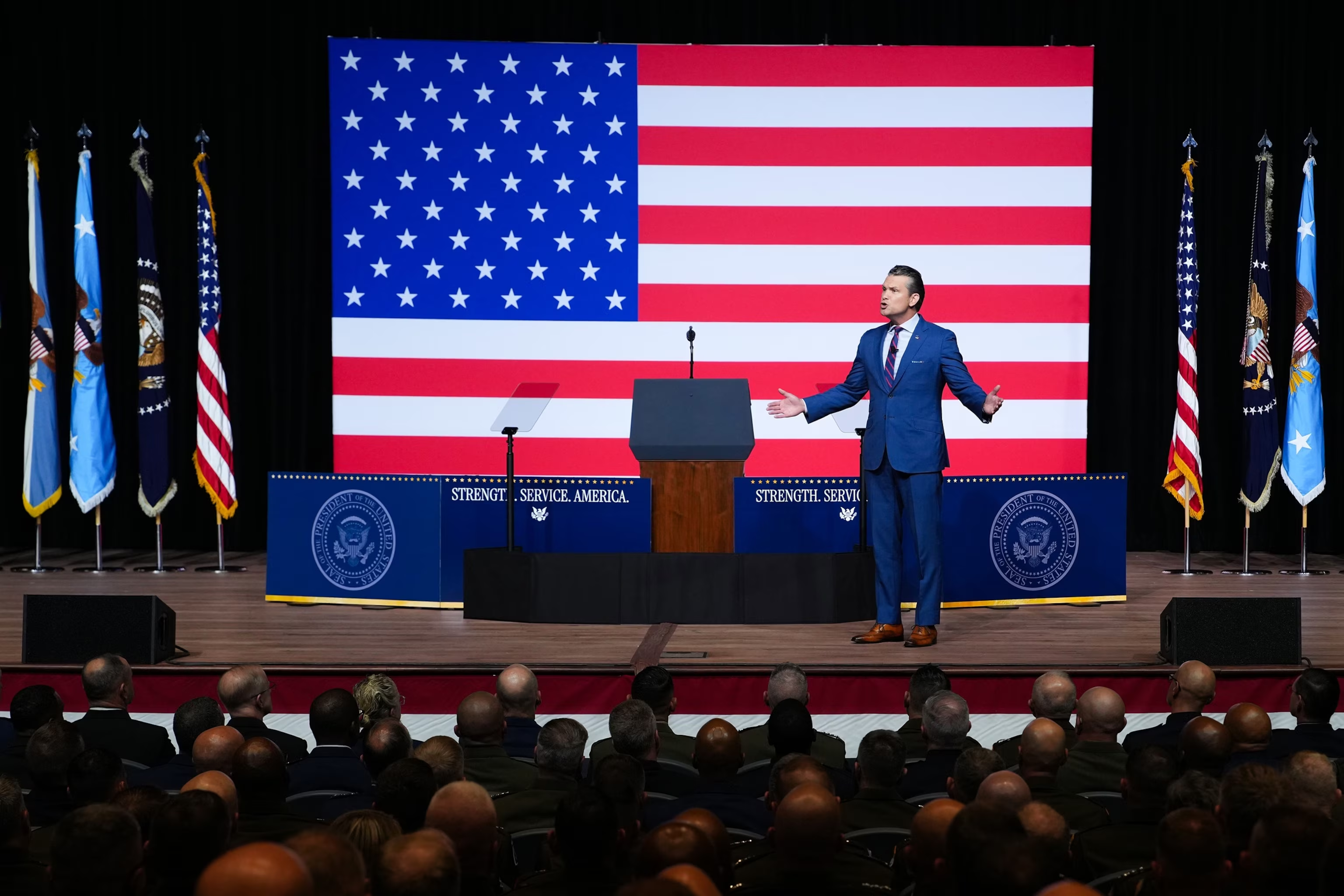
In the modern era, war is often framed as unavoidable. It is presented as a reluctant response to threats, a last resort taken for the greater good. Yet history suggests that war is rarely accidental. It is chosen, prepared for, and sustained by political systems, economic incentives, and cultural conditioning.
Advanced technology has made war more distant for those who authorize it. Decisions that result in death are made from secure rooms, viewed through screens, filtered through data. This distance creates the illusion of control, as if precision can remove moral responsibility.
The media plays a critical role in shaping public perception. Conflicts are reduced to headlines, soundbites, and strategic narratives. Complexity is flattened. Human suffering becomes episodic rather than continuous. Attention moves on long before the consequences do.
Perhaps most dangerously, war is still framed as a solution. When diplomacy fails, when systems break down, when power is challenged, violence is invoked as the ultimate arbiter. This belief persists despite overwhelming evidence that war creates more instability, more resentment, and more long-term harm than it resolves.
Forever Wars and the Cost of Accepting Them
The idea of the forever war is one of the most troubling developments in modern history. Conflicts with no clear objectives, no defined endpoints, and no shared understanding of victory have become normalized. Entire generations have grown up knowing nothing else.
Forever wars drain resources that could be used to address poverty, education, healthcare, and climate resilience. They erode democratic accountability by placing decisions beyond public scrutiny. They teach societies to accept constant violence as a background reality.
Most critically, they reshape moral expectations. When war never ends, neither does the justification for exceptional measures. Civil liberties shrink. Dehumanization expands. The line between defense and domination blurs until it nearly disappears.
Accepting endless war is not realism. It is surrender.
Choosing the Dream of Ending Forever Wars
Humanity may forever struggle with conflict. Competing interests, fears, and ambitions are part of our nature. But accepting perpetual war as inevitable is a failure of imagination.
Throughout history, progress has often come from ideas once dismissed as naive. The abolition of slavery, the expansion of civil rights, and the creation of international norms all began as moral dreams before becoming political realities. Ending forever wars belongs in that same category.
This does not mean denying the existence of threats or the complexity of global politics. It means recognizing that war should never be treated as a default condition of human life. It means investing in diplomacy, education, conflict prevention, and international cooperation with the same urgency that has historically been devoted to weapons and armies.
The dream of ending forever wars is not about achieving a flawless world. It is about refusing to normalize mass suffering. It is about prioritizing human life over geopolitical dominance. It is about choosing restraint where escalation has become habit.
War has shaped human culture for centuries. It has tested our resilience and revealed our capacity for cruelty. But it has also shown us the limits of violence as a tool for progress.
If humanity is to evolve beyond its most destructive impulses, the initiative to end endless war must remain paramount. Not because peace is guaranteed, but because the cost of abandoning that dream is too high to accept.