
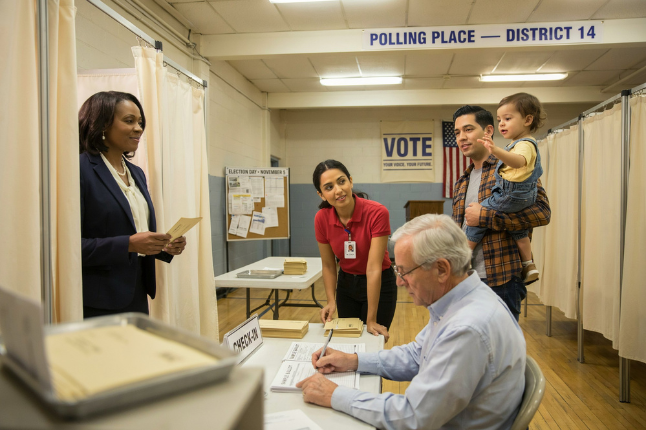
American democracy depends on public participation. Voting gives citizens a voice in government and public policy. It allows people to influence decisions that affect their communities and daily lives.
The right to vote has long represented a core democratic principle. Throughout American history, reforms expanded access to the ballot box and increased participation. These efforts reflected a belief that representative government works best when citizens remain engaged.
In recent years, political divisions have intensified across the United States. Public debates often reveal deep disagreements over values, policies, and institutions. As these divisions continue to grow, Voting Rights and Political Polarization have become closely connected issues. Their relationship now plays a major role in shaping American civic life.
Voting Rights and Political Polarization in Modern America
The United States has a long tradition of democratic participation. Citizens elect leaders at the local, state, and federal levels. These elections help maintain accountability and public representation.
Over time, lawmakers introduced reforms that expanded voting opportunities. These changes increased participation among groups that previously faced barriers. Many Americans view voting rights as essential to democratic legitimacy and civic equality.
At the same time, political polarization has transformed public discourse. Americans increasingly identify with opposing political camps. These divisions affect how citizens view elections, institutions, and public policy. As a result, debates about voting rights often become part of broader political conflicts.
Why Political Polarization Continues to Grow
Political polarization develops through several interconnected factors. Economic concerns, cultural differences, and changing media environments all contribute to growing divisions. These forces influence how people understand political issues.
Media consumption patterns have changed significantly during the digital era. Many Americans receive information through highly personalized online platforms. Algorithms often prioritize content that generates engagement and emotional reactions.
This environment can reinforce existing beliefs. People may encounter fewer opposing viewpoints and more information that confirms their opinions. Over time, these patterns can deepen political divisions and reduce opportunities for meaningful dialogue.
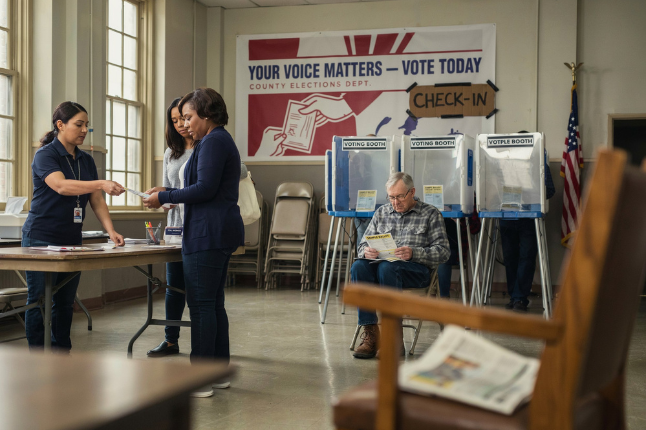
The Importance of Public Trust in Elections
Public trust serves as a foundation of democratic governance. Citizens must believe that elections operate fairly and transparently. Confidence in electoral systems encourages participation and strengthens institutional stability.
When trust declines, democratic systems face greater challenges. Skepticism can increase political tension and reduce confidence in public institutions. Citizens may become less willing to accept election outcomes they dislike.
Strong election administration helps maintain public confidence. Clear procedures, transparent processes, and effective communication support trust across political groups. These factors remain central to discussions about Voting Rights and Political Polarization throughout the country.
How Voting Policies Influence Civic Debate
Voting policies often generate intense public discussion. Issues involving voter registration, ballot access, and election administration affect how citizens participate in democracy. Different groups frequently propose different approaches.
Some citizens prioritize accessibility and voter participation. Others focus on election security and administrative oversight. Both perspectives influence public conversations about election policy and democratic governance.
These debates extend beyond technical election procedures. They often reflect broader disagreements about government, representation, and civic responsibility. This reality explains why voting policies remain important topics within American political discourse.
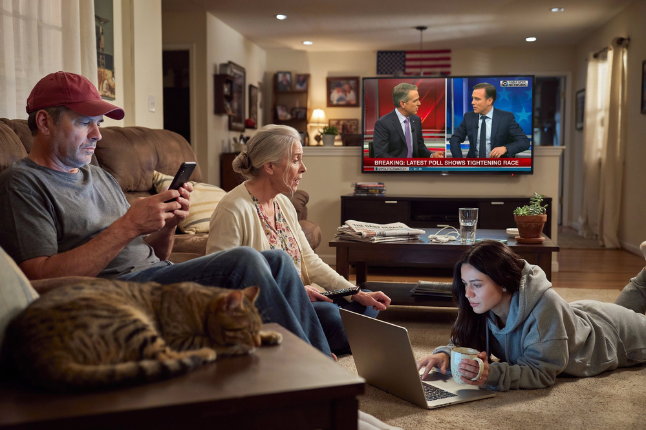
Media, Information, and Democratic Perception
Media organizations influence how citizens understand public affairs. News coverage shapes perceptions of elections, government institutions, and policy debates. The information people consume often affects their political attitudes.
Digital technology has transformed the information landscape. Social media platforms allow ideas and opinions to spread rapidly. Citizens now access information from countless sources throughout the day.
While this environment increases access to information, it also creates challenges. Misinformation and partisan narratives can spread quickly online. These dynamics often contribute to concerns surrounding Voting Rights and Political Polarization in the modern media environment.
Civic Engagement as a Democratic Solution
Strong civic engagement helps strengthen democratic institutions. Communities benefit when citizens participate in local government, volunteer activities, and public discussions. Engagement encourages cooperation and collective problem-solving.
Local organizations often create opportunities for dialogue across political differences. Community projects bring people together around shared goals. These interactions can help reduce tensions and strengthen social trust.
Civic education also plays an important role. Citizens who understand democratic institutions often participate more effectively in public life. Greater civic knowledge supports informed decision-making and encourages constructive engagement rather than political hostility.
The Impact of Polarization on Democratic Institutions
Political polarization affects more than elections. It also influences public confidence in democratic institutions. Courts, legislatures, and government agencies often become subjects of partisan debate.
When divisions become severe, compromise becomes more difficult. Political leaders may struggle to build consensus around important issues. Legislative gridlock can reduce public confidence in government effectiveness.
Healthy democratic systems depend on cooperation as well as competition. Disagreement remains a normal part of democracy. However, institutions function best when citizens and leaders maintain a commitment to democratic norms and civic responsibility.
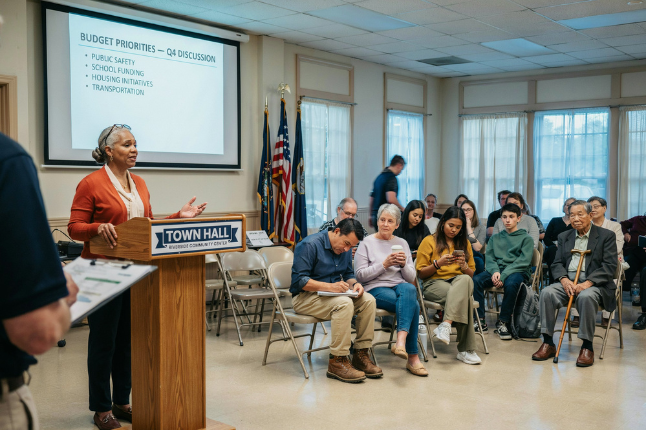
The Future of American Democratic Institutions
American democracy has faced significant challenges throughout its history. Social change, political conflict, and institutional reforms have repeatedly tested the system. Yet democratic institutions have often adapted to new circumstances.
Future stability will depend on several factors. Public trust, civic participation, and institutional accountability will remain essential. Citizens, community leaders, journalists, and policymakers all play important roles in strengthening democratic culture.
The future also depends on the ability to encourage constructive dialogue. Americans will continue holding different political views. The challenge lies in managing those differences while preserving democratic principles. The long-term impact of Voting Rights and Political Polarization will depend on how effectively society addresses this challenge.
Conclusion
The relationship between voting rights and political polarization reflects broader changes in American civic life. Growing divisions influence how citizens view elections, institutions, and democratic processes. These developments affect public trust and civic participation across the nation.
Despite these challenges, democratic systems remain resilient when citizens stay engaged. Transparent institutions, informed participation, and constructive dialogue can strengthen public confidence. Communities benefit when people focus on shared democratic values rather than political division alone. As the United States continues navigating a changing political landscape, Voting Rights and Political Polarization will remain central topics in public debate. The future of American democracy will depend on the ability to protect civic participation while fostering trust, cooperation, and democratic accountability.
A Merged Insight Exclusive.