We don’t notice technology, or tech, most days because it’s no longer a tool we use—it’s an environment we live in.
Technology used to be like the thing that we used. Something we would take and lay aside. Nowadays, it seems more like something we are living in. It influences our learning and working, communication, shopping, healing, and even thinking, without often even being consulted. Indeed, the role of tech in our daily lives is ever-expanding.
The power of modern technology is not in the hands of mere devices. It is the systems behind the machines, automation, artificial intelligence, and digital infrastructure that silently determine what we see, what we are presented with, and what becomes easier or harder for us. Tech has become an integral part of this underlying system.
The most fascinating change is not the fact that technology is omnipresent. It is that technology is becoming invisible, blending seamlessly with the tech that surrounds us.
When Technology Becomes a Second Brain
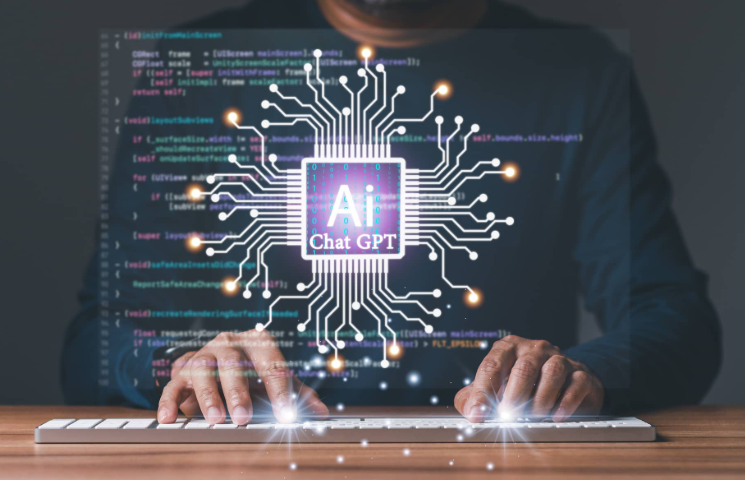
Some years ago, the process of information search involved typing on a search engine and scrolling through search results. Nowadays, most individuals open ChatGPT or any other AI-based application and request the answer directly, in the form of summaries, explanations, rewrites, plans, and even advice. It’s not just faster. It is more intimate, as though speaking to a thoughtful listener. This shift in tech usage illustrates how deeply integrated technology has become in our thinking processes.
This makes AI, in real-life situations, more of a second brain. It is used by people to write about emails that they had been avoiding, to de-jumble complicated issues, to prepare to interviewee, to achieve translation, or to make meal plans that align with their health requirements. Students use it to learn tricky topics. It is used by professionals to write out proposals, plan meetings, and clean up presentations. Such is the versatility of tech in various fields.
Yet more profoundly, it changes the way we think; once AI is the first destination when processing problems, it begins to change the way we process problems. You may see it in little things:
- You request a summary of an article rather than read it.
- You requested the best option rather than sitting with uncertainty.
- You are dependent on the organization and the obviousness of the tool, and you are more of a reactive than a reflective thinker.
It’s not necessarily bad. It is really useful in most instances. However, it alters something significant; the line between your mind and the digital world becomes lighter, predominantly due to tech advancements.
Automation Isn’t Coming—It’s Already Here
The idea of automation evokes in people the image of a robot taking the place of a human worker or factories of the future. However, the actual automation of contemporary life is more subtle. It is embedded in applications, processes, and invisible decision systems. Tech innovations have paved the way for this seamless integration of automation.
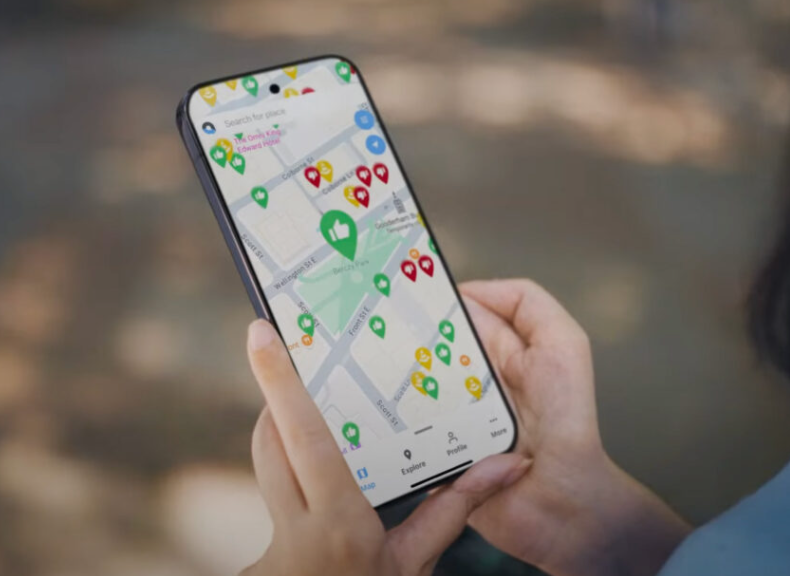
Our world has been structured in such a way that it anticipates what we require even before we request.;
- Your phone suggests replies.
- Maps reroute automatically.
- Your shopping applications suggest refills.
- You are reminded in your calendar to leave early.
- Something suspicious in your bank.
- They have customer service chats where the questions are answered without a human.
This is important, as automation not only costs less time, but it transforms expectations. When things have become frictionless, we become less tolerant of friction in any place.
Waiting becomes unnatural. Delays feel personal, and inefficiency is an experience of failure.
And such cultural change has an impact on the workplaces as well. Most firms are using dashboards, automated reports, and productivity tools to measure their performance. It is less work in craft and more work in the system, adhering to it in certain fields. The tool is not adapted to the worker, but the other way. The issue is no longer whether automation will have an impact on jobs. It is “What sort of people are we becoming in automated settings?†As tech drives these systems, the implications are profound.
AI in Real Life: It’s Not One Industry, It’s Every Industry
Artificial intelligence is not a rare technology that engineers employ. It is becoming a veneer across a range of industries, making decisions on a large scale – aiding in some cases, complicating life in others. The extent to which the change is profound is evidenced by the following few examples in everyday life:
1. Education: Teachers are driven to use AI to develop lesson plans, worksheets, and simplified explanations. AI is being utilized by the students in studying, brainstorming, and writing. It is not the question of whether it is cheating or not, but whether or not learning can be passive, and students can pay to be fed answers and not develop comprehension. Tech plays a central role in this educational transformation.
2. Hiring and work: AI applications scan and rank resumes, and evaluate applications. Employees write with the help of AI, summarize meetings, and plan tasks. This increases productivity, though also brings a question into consideration: Is efficiency now the primary measure of value, even when creativity and human judgment are the most important ones?
Conclusion: The Future Is Personal, Not Just Technical
Technology is influencing human behavior in ways that we may not necessarily know. It alters the way we pay attention, the way we study, the manner in which we make choices, and what we consider to be normal. It is not merely mechanical that changes, but also psychological and cultural.
The most valuable thing to bear in mind is, though, that engineers are not the only ones who create the future of technology. It is molded in the daily decisions. By what we normalize. By what we accept. By what we question. Everyday decisions influence how tech evolves.
Since eventually, technology does not simply create new tools. It creates new humans, with tech marking a significant part of that transformation.