
At Merged Insight, we constantly analyze the metrics of cultural influence—examining how raw talent intersects with commercial dominance and sonic innovation to build lasting legacies. Defining the greatest male vocalists of all time requires looking beyond the basic math of octave ranges. It demands an evaluation of vocal mechanics, stylistic evolution, and the sheer cultural gravity these artists commanded to shape modern Pop, R&B, Rock, and Soul.
From the originators of smooth phrasing to the powerhouse frontmen who engineered stadium rock, these 14 artists transformed the human voice into an unparalleled instrument of mass influence.
Here is our definitive, analytical ranking of the top 14 male vocalists who architected the sound of modern music.
14. George Michael

George Michael possessed a vocal precision that allowed him to bridge the gap between manufactured pop and deeply credible blue-eyed soul. He engineered a sound that dominated both the Billboard charts and global dancefloors, proving that commercial pop could harbor immense technical depth.
- Vocal Mechanics: Michael’s voice was defined by immaculate pitch control and an inherently warm timbre. His breath control allowed him to execute devastatingly intimate ballads and sweeping vocal runs without ever sacrificing tonal clarity.
- Cultural Influence: Transitioning from a teen-pop idol to a serious, self-produced solo artist, Michael set the blueprint for modern pop autonomy. His ability to fuse R&B sensibilities with global pop appeal laid the groundwork for decades of crossover artists.
13. Robert Plant

As the lyrical and vocal center of Led Zeppelin, Robert Plant did not just sing rock music; he defined the archetype of the heavy metal frontman. He brought an esoteric, blues-drenched aesthetic to hard rock, creating a vocal style that was as commercially explosive as it was mythic.
- Vocal Mechanics: Plant utilized his upper register not just for volume, but as a distinct rhythmic instrument. His dynamic control allowed him to pivot from a delicate, folk-inspired whisper to a piercing, primal wail in a single measure.
- Cultural Influence: Plant’s fearless, androgynous delivery and dramatic phrasing influenced entirely new subgenres of music, establishing the standard that rock vocals must carry as much theatrical weight as the instrumentation.
12. Al Green

The Reverend Al Green engineered a completely new frequency for soul music in the 1970s. He dominated the R&B charts by masterfully blending the spiritual fervor of the gospel tradition with the secular, commercial appeal of contemporary soul.
- Vocal Mechanics: Green is celebrated for his silky midrange and sudden, breathless leaps into a crystal-clear falsetto. His use of ecstatic sighs, groans, and spoken-word interludes created a rhythmic, conversational intimacy.
- Cultural Influence: Green proved that restraint could be just as powerful as a full-throated belt. His sophisticated, sensual approach to R&B remains a heavy influence on modern neo-soul and contemporary R&B vocalists.
11. Sam Cooke
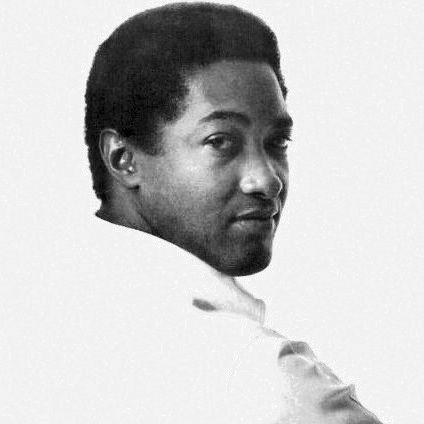
Universally acknowledged as the “King of Soul,” Sam Cooke was the foundational architect who synthesized gospel and pop to create soul music. His crossover success in the late 1950s and 60s established a commercial blueprint for black artists navigating the mainstream music industry.
- Vocal Mechanics: Cooke’s delivery was characterized by fluid, unforced grace. He possessed a crystalline clarity, subtle rasp, and a melodic intuition that made complex vocal runs sound entirely effortless.
- Cultural Influence: Beyond his flawless vocal technique, Cooke was a pioneer in music publishing and artist ownership. His masterwork, “A Change Is Gonna Come,” remains one of the most culturally significant vocal performances of the 20th century.
10. Prince
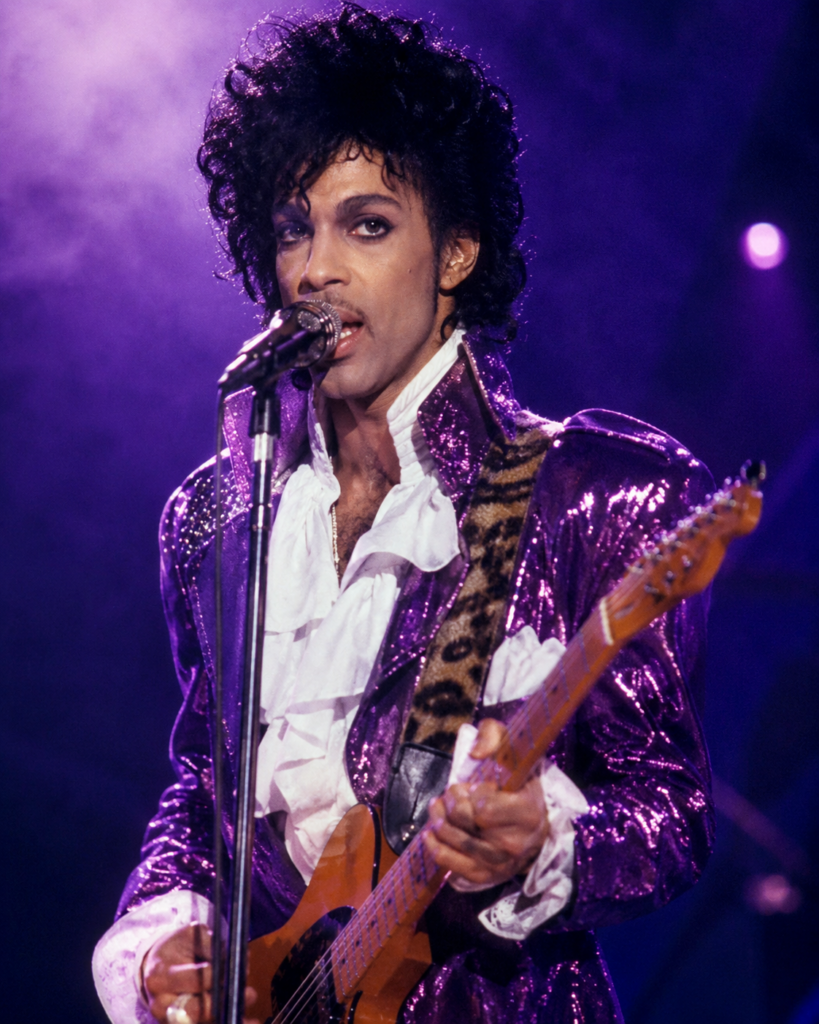
A singular genius of commercial and critical music, Prince was a genre-agnostic innovator whose vocal elasticity was as vital as his legendary guitar work. He treated his voice as a synthesizer, constantly manipulating its texture to fit the specific emotional and sonic requirements of his tracks.
- Vocal Mechanics: Prince boasted a staggering range that stretched from a deep, seductive baritone to a piercing, metallic falsetto. He utilized raw, agonizing screams and layered vocal arrangements to build intense theatrical tension.
- Cultural Influence: By aggressively blending funk, rock, R&B, and pop, Prince dismantled racial and genre boundaries on mainstream radio and MTV, creating a cultural footprint that continues to dictate modern pop production.
9. Nat King Cole

Nat King Cole navigated the severe racial barriers of mid-century America to become an international pop icon. Originally a highly respected jazz pianist, Cole’s transition to a mainstream vocalist resulted in some of the most commercially successful and enduring recordings in popular music.
- Vocal Mechanics: Cole’s baritone was the epitome of warmth and pitch perfection. His legato phrasing and innate sense of swing allowed him to deliver complex jazz standards and sweeping orchestral pop with effortless sophistication.
- Cultural Influence: Cole set the gold standard for traditional pop vocals. His calming, perfectly enunciated delivery established an aura of elegance that defined the post-war American soundscape.
8. Frank Sinatra

Frank Sinatra revolutionized the mechanics of popular singing by treating the microphone as an instrument rather than just an amplifier. He evolved the big-band swing era into a deeply personal, artist-driven medium, fundamentally changing how music was marketed and consumed.
- Vocal Mechanics: Sinatra’s genius lay in his phrasing. By studying the breathing patterns of horn players, he learned to manipulate the meter and emphasis of lyrics, stretching or clipping words to maximize their dramatic and emotional impact.
- Cultural Influence: Sinatra birthed the concept of the modern music superstar and the thematic album. His conversational, highly emotive baritone made the listener feel as though they were the sole audience in a crowded room.
7. Marvin Gaye
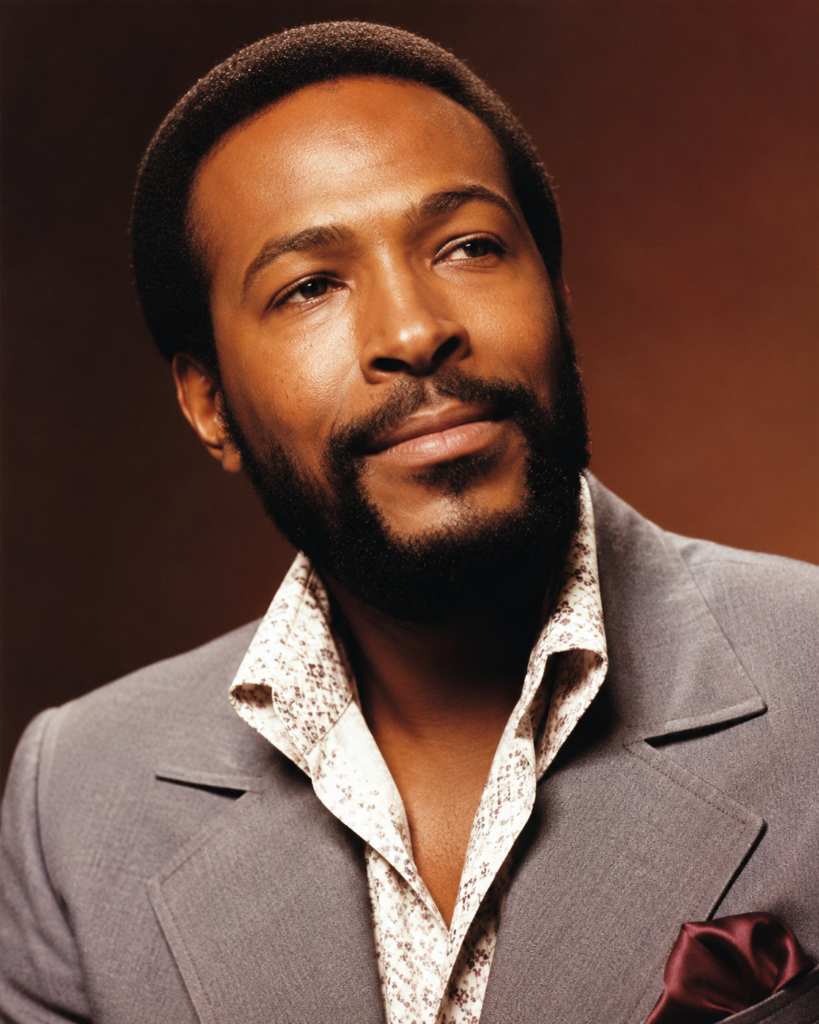
Marvin Gaye was the emotional and progressive anchor of Motown. He transitioned from crafting pristine pop-soul hits to producing deeply conceptual, socially conscious R&B, expanding the commercial possibilities of what soul music could discuss and achieve.
- Vocal Mechanics: Gaye possessed a breathtaking three-octave range, seamlessly shifting from an ethereal, yearning tenor to a gritty gospel shout. His pioneering use of multitracked self-harmonies created lush, cinematic soundscapes.
- Cultural Influence: With albums like What’s Going On, Gaye demanded creative control from his label, proving that R&B artists could be complete conceptual auteurs. His vocal layering techniques remain a foundational element of modern R&B and Hip-Hop production.
6. Ray Charles

Ray Charles was a commercial and cultural wrecking ball, single-handedly inventing soul music by fusing the secular grit of the blues with the sacred rapture of gospel. His genre-defying career saw him dominate R&B, pop, jazz, and country charts.
- Vocal Mechanics: Charles prioritized absolute emotional truth over traditional vocal perfection. His voice was gravelly, percussive, and entirely uninhibited. He utilized rhythmic cracks, shouts, and moans to turn every track into an urgent testimonial.
- Cultural Influence: By ignoring the boundaries between genres, Charles created a universally translatable sound. His ability to inject deep, visceral soul into country and pop standards reshaped the American musical identity.
5. Stevie Wonder

A prodigy who evolved into an untouchable musical architect, Stevie Wonder dominated the 1970s with a string of critically acclaimed, commercially massive albums. His vocal agility is matched only by his innovative use of emerging synthesizer technology.
- Vocal Mechanics: Wonder commands a highly agile tenor voice marked by a joyful, resonant vibrato. His rhythmic precision allows him to execute rapid, complex melismas (vocal runs) with flawless accuracy, even while navigating intricate syncopated beats.
- Cultural Influence: Wonder’s fusion of funk, pop, and complex jazz chords redefined the sonic architecture of modern pop. His vocals, always brimming with optimism and profound empathy, make him one of the most universally revered figures in music.
4. Elvis Presley
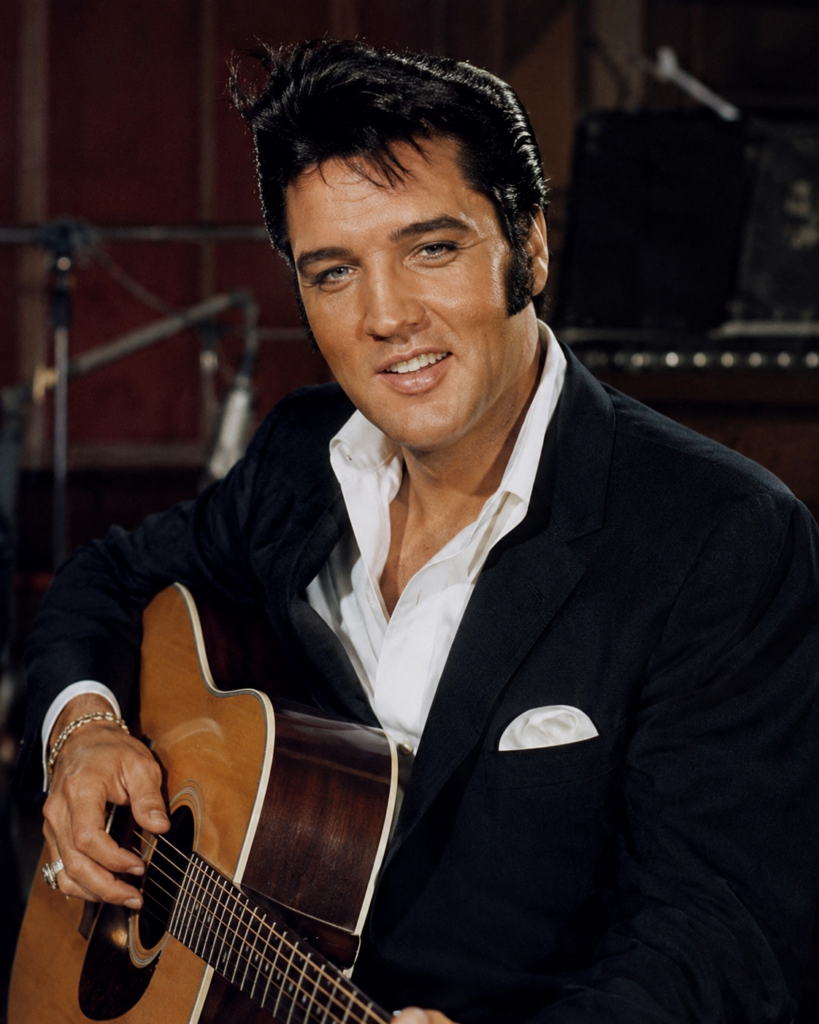
Elvis Presley was the catalyst for the global rock and roll explosion. While his cultural impact is often analyzed through his stage presence and fusion of musical styles, his actual vocal instrument was extraordinarily rich, versatile, and commercially magnetic.
- Vocal Mechanics: Presley possessed a wide, warm baritone that effortlessly stretched into a bright tenor. His intuitive sense of rhythm and phrasing allowed him to master raw rockabilly sneers, traditional country melancholy, and sweeping, operatic ballads.
- Cultural Influence: Presley’s voice bridged a massive cultural divide, bringing rhythm and blues to a global mainstream audience. He remains one of the highest-selling solo artists in history, setting the ultimate benchmark for commercial dominance.
3. Otis Redding

Otis Redding was the undisputed titan of Southern soul. He possessed a combustible, raw intensity that could command absolute emotional submission from an audience. Though his career was tragically brief, his impact on the cadence and delivery of R&B is permanent.
- Vocal Mechanics: Redding’s voice was a gravelly, robust force of nature. He pioneered the use of rhythmic, staccato ad-libs (his signature “got-ta, got-ta”), treating his voice as an aggressive percussion instrument that drove the tempo of the track.
- Cultural Influence: Redding’s performance at the Monterey Pop Festival proved that Southern soul could captivate the emerging rock and counterculture audiences. He defined the gritty, emotionally exhausted vocal delivery that became the hallmark of authentic soul music.
2. Freddie Mercury

As the visionary frontman of Queen, Freddie Mercury engineered the most technically dazzling and theatrical voice in rock history. He defied the traditional constraints of commercial radio by fusing heavy metal, music-hall camp, and soaring opera into massive global anthems.
- Vocal Mechanics: Mercury commanded an astonishing four-octave range. He possessed the rare ability to execute rapid, fluttery vibrato in his falsetto, while also delivering a thunderous, stadium-rattling belt with pinpoint pitch accuracy.
- Cultural Influence: Mercury weaponized his vocals for mass communication, crafting melodies specifically designed to unify tens of thousands of people in live arenas. His fearless theatricality and vocal scale expanded the absolute limits of what a rock band could achieve.
1. Michael Jackson

Michael Jackson stands alone at the apex of music history. As the definitive “King of Pop,” Jackson engineered a level of global commercial dominance and cultural influence that has never been replicated. While his visual and choreographic innovations changed entertainment forever, it was his hyper-innovative vocal mechanics that served as the engine for his empire.
- Vocal Mechanics: Jackson possessed a remarkably agile high tenor, but his true genius lay in his rhythmic application of the voice. He popularized the use of vocal punctuation—hiccups, breath gasps, percussive “shams,” and falsetto cries. He did not merely sing over a track; he integrated his voice directly into the rhythm section, turning his own breath and ad-libs into primary driving beats.
- Cultural Influence: Jackson’s voice shattered the final racial barriers on global platforms like MTV and pop radio. He was a master interpreter of emotion, capable of delivering the aggressive, rock-infused paranoia of “Billie Jean,” the unadulterated funk joy of “Don’t Stop ‘Til You Get Enough,” and the global, anthemic majesty of “Man in the Mirror.”
Jackson’s flawless timing, unmatched vocal agility, and ability to translate complex emotional and rhythmic ideas into a universal sonic language make him the ultimate vocal architect. He is the standard by which all modern commercial performance is measured.
Merged Insight Data Summary: The Vocal Architects
| Rank | Artist | Peak Genre Influence | Defining Vocal Signature |
| 1 | Michael Jackson | Pop / R&B | Hyper-rhythmic phrasing, percussive breath ad-libs |
| 2 | Freddie Mercury | Rock / Theatrical Pop | Four-octave range, stadium-filling operatic belt |
| 3 | Otis Redding | Southern Soul | Percussive staccato ad-libs, raw emotional exhaustion |
| 4 | Elvis Presley | Rock and Roll / Pop | Baritone warmth, highly intuitive rhythmic magnetism |
| 5 | Stevie Wonder | Soul / R&B / Pop | Flawless complex melisma, resonant and joyful vibrato |
| 6 | Ray Charles | Soul / R&B | Uninhibited grit, fusion of blues groans and gospel shouts |
| 7 | Marvin Gaye | Soul / R&B | Seamless register shifts, pioneering multitracked layering |
| 8 | Frank Sinatra | Traditional Pop | Horn-inspired breath control, conversational phrasing |
| 9 | Nat King Cole | Jazz / Pop | Immaculate pitch, smooth legato phrasing, warm timbre |
| 10 | Prince | Funk / Pop / Rock | Extreme register elasticity, metallic falsetto to deep baritone |
| 11 | Sam Cooke | Soul / Pop | Crystalline clarity, effortless melodic grace |
| 12 | Al Green | Soul | Silky midrange, ecstatic leaps into crystal falsetto |
| 13 | Robert Plant | Hard Rock | Dynamic whisper-to-wail transitions, high-register blues |
| 14 | George Michael | Pop / Blue-Eyed Soul | Precise pitch control, sophisticated R&B-infused delivery |